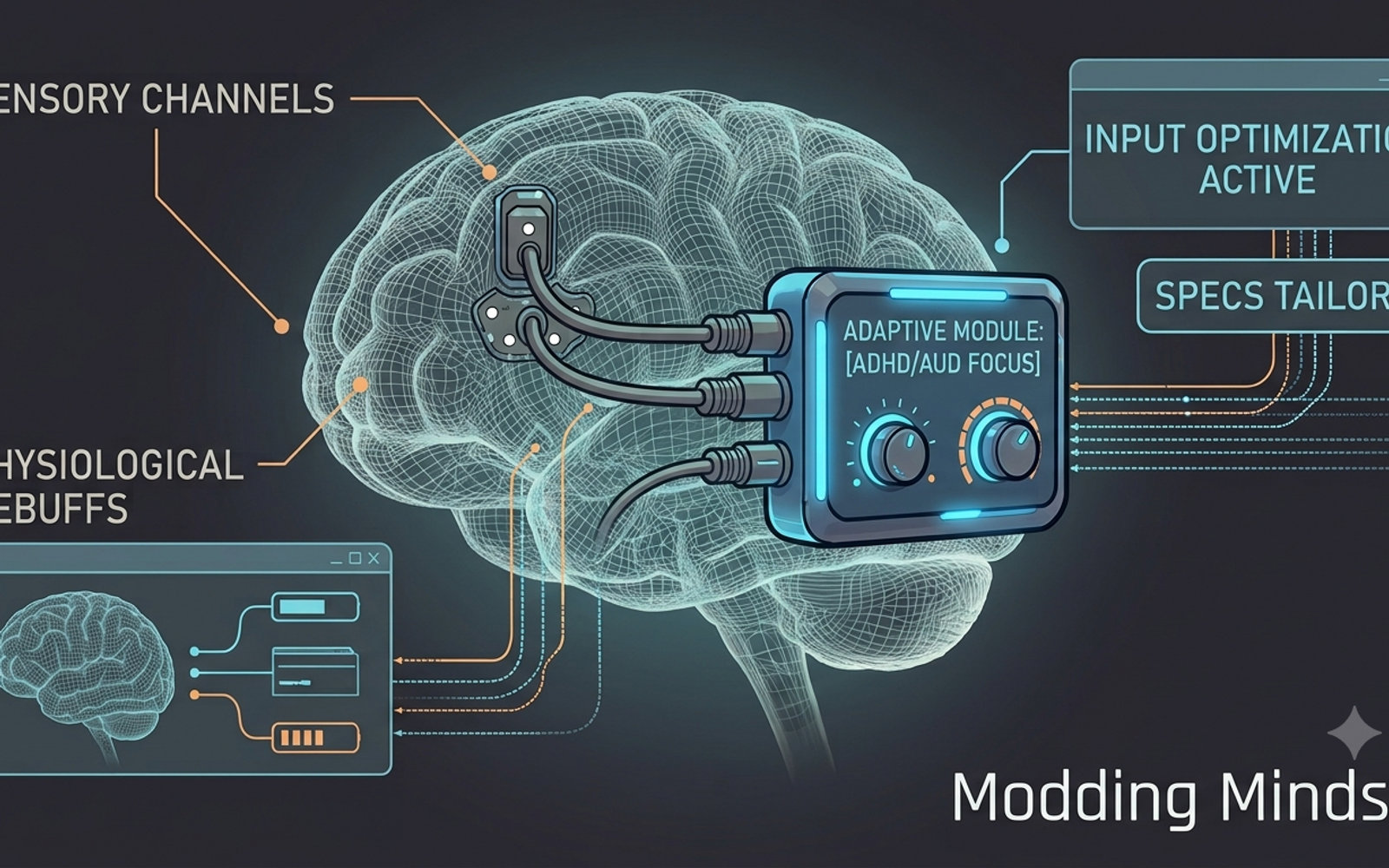
Artificial intelligence is becoming the most significant accessibility technology since the screen reader. Voice interfaces, real-time captioning, and AI-powered home automation are helping people experiencing disabilities participate fully in a world largely designed for the able-bodied.
But the same systems carry Cyber Speedbumps: biased training data, inaccessible interfaces, and models that treat disability as an edge case rather than a design input.
The lesson of the physical curb-cut applies online. When digital products are designed with disability-informed perspectives from the start, they work better for everyone — and the organizations that understand this first will hold the advantage.